



time:2026-06-12 09:36:29 views:
Industrial automation is evolving rapidly, and manufacturers need computing systems that are stable, flexible, and cost-effective. The industrial touch screen panel PC Linux has emerged as a preferred solution, providing a reliable platform for human-machine interface (HMI), edge computing, and industrial IoT applications.
Linux-based industrial panel PCs are designed for continuous operation, complex workflows, and harsh environments. They offer engineers and project managers a dependable system for decades-long industrial deployment without compromising performance.
The Benefits of Linux in Industrial Applications
Linux is becoming increasingly popular in industrial environments due to several advantages:
- Continuous Stability
Linux systems can run for extended periods without crashes or interruptions. This reliability is essential for production lines, monitoring stations, and transportation automation. - Lower Total Cost of Ownership
As an open-source operating system, Linux eliminates licensing fees, reducing overall deployment costs for industrial projects. - Enhanced Security
Linux provides strong user permission models and is less susceptible to malware, protecting critical operational data. - Customizability
Distributions such as Ubuntu, Debian, or Yocto Project can be tailored to specific industrial applications, optimizing system performance and resource usage. - Long-Term Support
Industrial hardware often has a long lifecycle. Linux LTS versions ensure stable updates, patches, and security improvements for years.
These benefits make Linux industrial panel PCs a practical choice for engineers seeking a reliable and secure computing platform.
Linux vs Windows Industrial Panel PCs
A comparison highlights why Linux is favored for industrial automation:
- License Cost: Linux is free, while Windows requires paid licenses.
- System Stability: Linux can run continuously without rebooting, whereas Windows may require periodic updates.
- Customization: Linux allows deep configuration; Windows offers limited flexibility.
- Security: Linux has strong security features and minimal malware risk.
- Resource Usage: Linux operates efficiently with lower system overhead.
- Long-Term Support: Linux LTS versions support industrial hardware longer than typical Windows cycles.
This comparison demonstrates why engineers are adopting Linux for HMI, edge computing, and smart factory applications.
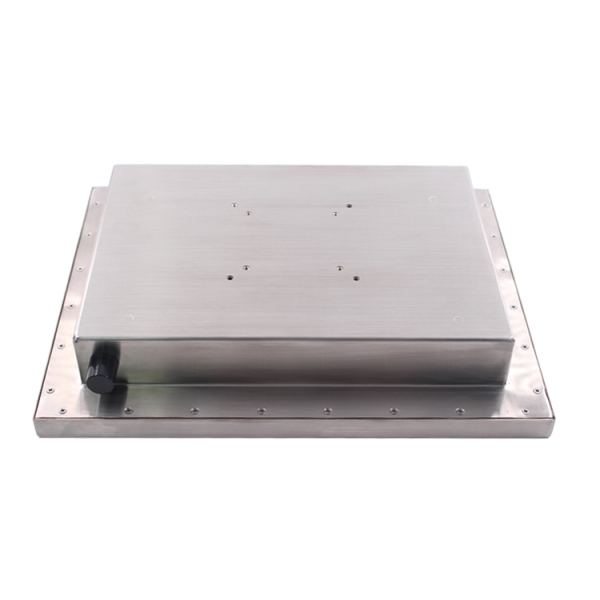
Key Features of Linux Industrial Panel PCs
Modern Linux industrial panel PCs combine specialized hardware and software to meet demanding requirements:
- Capacitive Touchscreen: Multi-point touch panels offer precise input for HMI and monitoring systems.
- Fanless Design: Eliminates moving parts prone to failure, reduces maintenance, and extends system lifespan.
- Flexible Connectivity: Ports such as USB, HDMI, RJ45, COM, and GPIO, with optional CAN Bus or 3G/4G modules, support diverse industrial networks.
- Processor and Memory Options: Intel J-series or Core i3/i5/i7 processors paired with 4GB–64GB RAM handle multitasking and data processing.
- Storage Options: SSD storage from 64GB to 1TB accommodates HMI software, edge analytics, and industrial applications.
- Mounting Flexibility: Wall-mounted, embedded, desktop, or rack-mounted configurations for different industrial setups.
These features ensure reliable performance for industrial operations, HMI systems, and edge computing tasks.
Industrial Applications of Linux Panel PCs
Human-Machine Interface (HMI)
Linux panel PCs serve as HMI devices for monitoring and controlling production lines. Operators can adjust processes, view real-time analytics, and interact efficiently with industrial systems.
Edge Computing and IIoT
In smart factories, Linux panel PCs act as edge devices, gathering sensor data, performing local analysis, and transmitting results to central systems. This reduces latency and supports fast, informed decision-making.
Smart Manufacturing
Linux industrial panel PCs integrate with MES, SCADA, and predictive maintenance platforms, supporting automated control and real-time monitoring for efficient operations.
Logistics and Transportation
Warehouses and transport hubs rely on Linux panel PCs for inventory management, equipment tracking, and operational data collection. Fanless and low-maintenance designs ensure continuous uptime.
R&D and Testing Facilities
Industrial research labs use Linux panel PCs for prototyping, automation testing, and machinery simulations. The open-source platform allows engineers to configure software for specialized tasks.
Selecting the Right Linux Industrial Panel PC
Consider the following factors when choosing a system:
- Screen Size and Touch Technology: 7–21.5 inches with capacitive or multi-touch depending on workspace and operator workflow.
- Processor and Memory: Intel J-series or Core processors with 4GB–64GB RAM for multitasking HMI and edge computing.
- Mounting Options: Wall-mounted, embedded, desktop, or rack-mounted installations for optimal ergonomics.
- Environmental Considerations: IP65–IP69K ratings for dust and moisture protection in industrial environments.
- Connectivity and Expansion: Evaluate port requirements, optional Wi-Fi, CAN Bus, or expansion modules for seamless network integration.
Why Choose INNODA Linux Panel PCs
INNODA has over 13 years of experience in industrial computing, offering:
- OEM/ODM support for customized Linux industrial panel PCs
- Flexible configurations and prototyping with MOQ=1
- Monthly supply capacity up to 2000 units
- Technical support for installation, software configuration, and maintenance
- Compliance with CE, RoHS, and FCC standards
These capabilities ensure businesses receive Linux industrial panel PCs optimized for stability, performance, and cost efficiency.
Conclusion
The industrial touch screen panel PC Linux is a reliable, cost-effective, and customizable solution for industrial automation, smart factories, and edge computing. Linux provides stability, security, and flexibility, while industrial-grade hardware ensures continuous operation in demanding environments.
Whether for HMI, edge computing, or IIoT, INNODA Linux industrial panel PCs offer engineers and project managers a professional, durable, and future-ready platform.
Contact INNODA to explore Linux industrial panel PC solutions tailored to your specific industrial needs.

