



time:2026-07-17 11:21:47 views:
Industrial environments often require computers that can operate continuously under vibration, dust, heat, and complex electrical conditions. Traditional commercial computers may experience overheating, hardware failures, or unstable performance during long-term operation. A reliable industrial PC provides stable computing performance with durable hardware, fanless cooling, and flexible expansion options for demanding applications.
Shenzhen Innoda Technology develops customized industrial PC solutions under the INNODAPC brand, helping businesses deploy reliable computing systems for industrial automation, IoT, transportation, medical equipment, and smart manufacturing applications.
Why Choose an Industrial PC for Industrial Applications?
Unlike standard desktop computers, an industrial PC is designed for harsh environments where stability, durability, and long service life are essential.
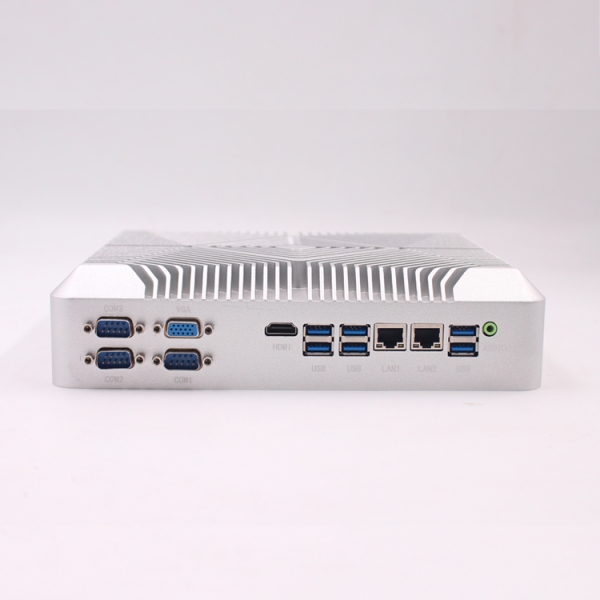
Shenzhen Innoda Technology’s fanless industrial mini PC uses a full aluminum alloy die-casting chassis with passive heat dissipation technology. This design reduces dust accumulation and eliminates common cooling fan failures, making it suitable for continuous industrial operation.
Fanless cooling design for low-noise and maintenance-free operation
Full metal aluminum chassis for improved heat dissipation and durability
Intel processor options, including N100, J4125, J6412, i3, i5, and i7 platforms
Optional DC 9-36V wide voltage input for vehicles and outdoor applications
These features make the system suitable for factories, transportation systems, energy equipment, and embedded automation terminals.
Industrial Mini PC Applications in Real Industries
A compact industrial computer provides reliable performance while saving installation space. With rugged construction and flexible configurations, Innoda industrial PCs are widely used across different industries.
Factory Automation Control
Manufacturing facilities use industrial PCs to control machines, collect production data, and connect industrial sensors through serial communication interfaces.
Typical applications include:
Machine control systems
Production monitoring terminals
Industrial data collection
Automated inspection equipment
IoT and Edge Computing
Industrial IoT systems require stable computing platforms that can operate continuously. Fanless industrial computers are suitable for:
IoT gateways
Remote monitoring systems
Smart equipment management
Industrial data processing
Transportation and Vehicle Systems
The rugged design and optional wide voltage input make these industrial computers suitable for transportation environments.
Applications include:
Railway control equipment
Vehicle monitoring systems
Logistics terminals
Outdoor control cabinets
Medical and Commercial Equipment
Industrial PCs are also used in environments requiring reliable operation and compact designs, such as:
Medical devices
Smart access control systems
Digital signage terminals
Self-service equipment
How to Select the Right Industrial PC
Choosing the correct industrial computer requires evaluating your application environment and system requirements.
Follow these steps:
Identify your operating environment
Evaluate temperature, humidity, vibration, dust exposure, and installation conditions before selecting hardware.
Choose suitable processing performance
Select Intel N100 or Celeron processors for basic control applications, while Core i5/i7 platforms are suitable for higher-performance computing tasks.
Confirm required interfaces
Check whether your system requires USB, HDMI, VGA, RS232, RS485, GPIO, or LAN connections.
Consider expansion requirements
Select models with Mini PCIe slots for additional WiFi, 4G, and communication modules.
Check manufacturer experience and certifications
Working with an experienced supplier ensures better product reliability and customization support.
Shenzhen Innoda Technology has more than 13 years of experience in customized touch panel products and industrial computing solutions. The company provides OEM/ODM services and manufactures products certified with CE, RoHS, FCC, and IP ratings including IP65, IP66, IP67, IP68, and IP69K.
Industrial PC vs Commercial PC: What Is the Difference?
Industrial PCs and commercial computers have different designs and purposes.
Industrial PC advantages include:
Designed for harsh industrial environments
Fanless cooling structure for continuous operation
Stronger resistance to vibration and dust
More industrial communication interfaces
Longer service life compared with standard computers
Commercial PCs are mainly designed for office environments and may not provide the durability required for automation and industrial applications.
FAQ
1. What is an industrial PC used for?
An industrial PC is used for automation control, machine monitoring, IoT systems, transportation equipment, and other applications requiring stable computing performance.
2. Why choose a fanless industrial PC?
A fanless industrial PC reduces maintenance requirements because it eliminates cooling fan failures and prevents dust-related problems.
3. Can Shenzhen Innoda customize industrial PCs?
Yes. Shenzhen Innoda Technology provides OEM/ODM customization services, including hardware configuration, mechanical design, and application-specific industrial computer solutions.
Conclusion
Choosing the right industrial PC helps you improve equipment reliability, reduce maintenance costs, and build stable automation systems. With Intel processor options, fanless aluminum chassis design, flexible I/O expansion, and certified quality standards, Shenzhen Innoda Technology provides customized industrial computing solutions for global industries.
Contact Shenzhen Innoda Technology today to discuss your fanless industrial PC requirements, OEM/ODM customization needs, and industrial computing solutions.

